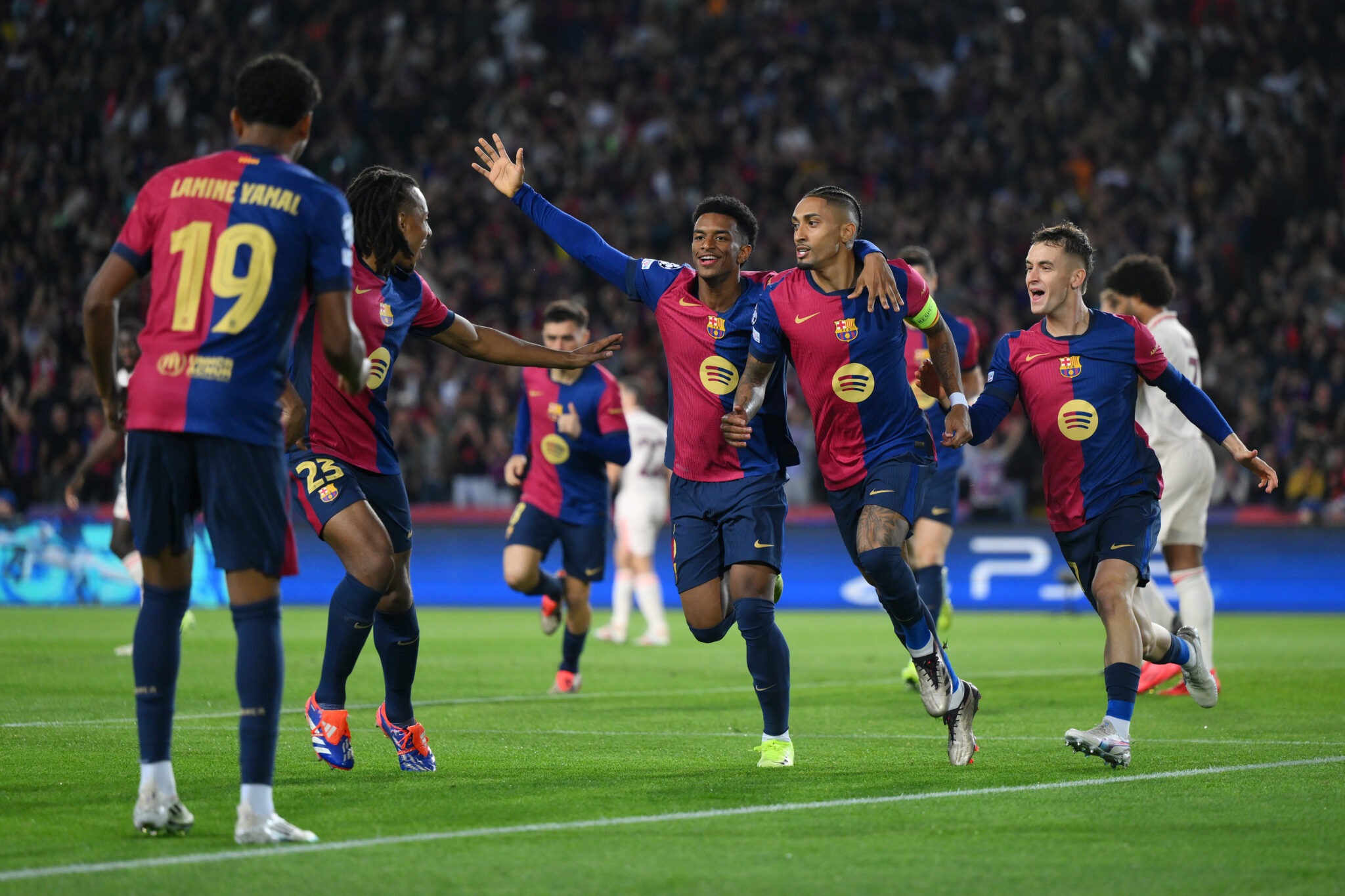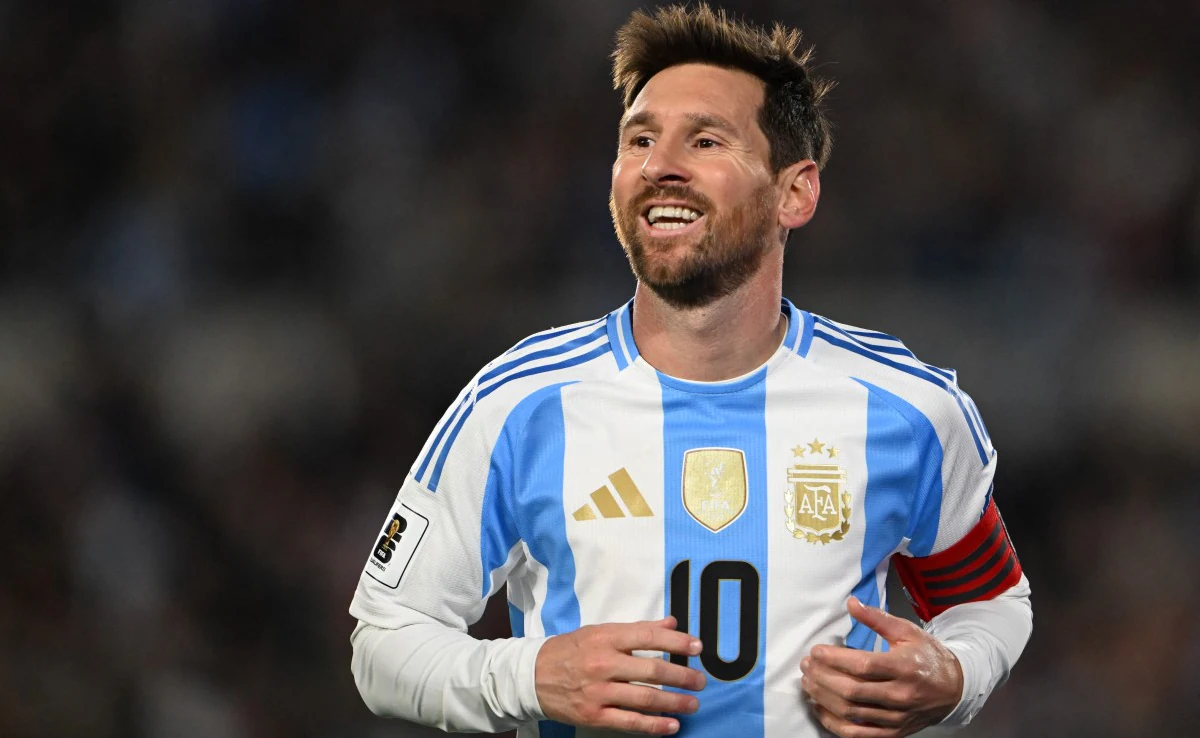
I am a hardcore fan of Argentina from the day I have been watching football because of Diego Maradona. My favorite club was decided by the presence of Argentineans in the squad, regardless of the club's style of play. That's how I started liking FC Barcelona — when they signed Javier Saviola in 2001, followed by Juan Riquelme in 2002. Though they left the club after struggling to make an impact, I stuck with the blaugranas especially due to the astonishing displays from Ronaldinho (though a Brazilian), and gradually became a hardcore fan of the club. Argentina is my favorite country and equally FC Barcelona is my favorite club in football. The icing on the cake, though, was Lionel Messi's arrival.
Young Messi was raw and all about speed and burst from the right wing. He dribbled through the crowd, and it was an awesome sight to watch. Under Guardiola, Messi and FC Barcelona flourished, winning the UEFA Champions League and La Liga. I also became addicted to the possession-based and pressing football they exhibited. By the 2013-14 season, FC Barcelona gradually started playing possession football, but not heavy pressing football. The reason for the decline in their pressing was either Barcelona's need to preserve Messi's energy, or his own reluctance to press. Around the same time, it was also the beginning of FC Barcelona's performance erosion in the UEFA Champions League. They faced heavy losses in the competition against Roma, Liverpool, and FC Bayern Munich.
While Messi's first decade at Barcelona was fruitful, the opposite was true with Argentina. Argentina were carrying the baggage of no trophies since 1993, along with the constant weight of comparison to Maradona's legacy. The fact that Messi had never played in Argentina's domestic league added to the pressure. Messi and Argentina fell at the last hurdle in the 2007, 2015, and 2016 Copa América finals, and were eliminated at earlier stages of the FIFA World Cup — a quarter-final exit in 2010, a final defeat in 2014, and a round-of-16 loss in 2018. Things changed after Lionel Scaloni was appointed national team coach. The emergence of Alexis Mac Allister, Enzo Fernández, Cristian Romero, and Emiliano Martínez gave Messi a reliable core to perform with for the national team. With the win against Brazil in the 2021 Copa América (a wait of 28 years), Argentina erased the tag of bottlers. It also paved the way for their ultimate glory in the classic final against France at the 2022 FIFA World Cup in Qatar.
After the disappointment of the 2026 FIFA World Cup final against Spain, Lionel Messi announced his retirement from international football on August 31, 2026. He posted his three-letter retirement note on his Instagram account. His father, Jorge Messi — the pillar of strength who supported him through his childhood growth-hormone treatment — passed away between the final and the retirement announcement. As I mentioned in the beginning, after seeing Messi's dribbling in the early stages of his career, my expectation was always the same: that he'd take on every defender and score a goal like the one against Getafe in every match. I admit that a player's speed and dribbling naturally decline with age; intelligence, on the other hand, grows with experience and maturity. So, my expectations were unwarranted. Having said that, as a die-hard supporter, let me jot down a few of my gripes about him.
1. When skill fails, spirit prevails.
As someone said, he would prefer Carlos Tevez against good teams and Messi against an average team. This isn't to say Tevez is the better player. But things are tight against good teams, and flair won't always work against them. Instead, it's the warrior in you that has to take over when talent falters. For example, in the 2013-14 UEFA Champions League knockout loss against Atletico Madrid, Messi ran just 6.8 kilometers — just 1.4 kilometers more than goalkeeper Pinto. Sometimes it feels like FC Barcelona played ten against eleven.
2. On-field circle.
Cliques are common in all fields, but in a team sport, forming them can have a negative impact. In the later stages of his Barcelona career, Messi would come and go with Luis Suárez, training with him. If not with him, it was Busquets or Jordi Alba. Similarly, for the national team, it's Rodrigo De Paul most of the time. All of them, in fact, ended up joining him at Inter Miami eventually. José Manuel Pinto, the reserve goalkeeper, was another such figure — there were rumors that Messi's contract renewal with FC Barcelona included a clause requiring the club to renew Pinto's contract as well.
3. Early struggles with leadership.
A moody Messi didn't seem like the obvious fit for captain. He is a reserved and introverted player who lives within his shell. Argentina unnecessarily gave him the captaincy when they had a natural leader in the form of Javier Mascherano. It's quite natural for institutions and coaching staff to hand the captaincy to superstars — so it happened to Messi as well. He held the armband in name only, while Mascherano handled the role of captain on the field. But I have to admit that in the later stages with Argentina, he grew into his role as captain, leading young players for the national team.
Though I missed the Messi of his early twenties during the later stages of his career, I have to admit we may not see a player of his style and stature again. FC Barcelona may have produced Lamine Yamal, but I don't think he's going to do what Messi did at the same age, or later in his career. We are going to miss Messi more than ever.